Grasping the Science Concerning Waterproofing
Water-proofing is a key aspect of preserving any house or building, yet it often goes unnoticed until problems arise. As moisture invades buildings, it can cause expensive repairs, threatened safety, and even issues due to mold and mildew growth. Comprehending the significance of waterproofing is essential for every homeowner, as it not only safeguards against instant damage but also enhances the overall longevity and value of a home.
This manual delves into the fundamentals behind water-proofing, shedding light on why it is essential, the different methods available, and how successful waterproofing can save you considerable amounts in possible repairs. Moreover, we will debunk popular myths surrounding waterproofing techniques and provide you with the information to spot indicators that your place may need attention. Whether sump pump installation are planning to waterproof your basement, top, or bathroom, comprehending the foundations of waterproofing will empower you to have educated decisions for your living space.
The Value of Moisture Protection in Residential Properties and Structures
Waterproofing is a critical aspect of maintaining the integrity and longevity of homes and buildings. It acts as a barrier against water infiltration, which can lead to a range of problems, including damage to the structure, the growth of mold, and health issues. Without adequate waterproofing, real estate are at risk to water-related damage that can compromise not only the physical structure but also the quality of indoor air. This makes waterproofing crucial for ensuring a secure and healthy living environment.
In furthermore to safeguarding against water damage, waterproofing can yield significant savings in costs over the long term. Fixing water damage often involves extensive work, from structural repairs to mold remediation, which can be expensive. By proactively waterproofing a property, homeowners and building managers can prevent these problems from arising, which saves thousands of dollars in potential repairs. This proactive step is an expenditure that yields returns in the future, reinforcing the necessity of tackling waterproofing requirements early.
Moreover, proper waterproofing plays a role in energy efficiency within a structure. By keeping water out, buildings can maintain stable temperatures, lowering the need for excessive heating or cooling. This not only lowers utility bills but also enhances overall comfort. As efficient energy use becomes increasingly important, the function of waterproofing in sustainable construction is undeniable, making it a key consideration for both new and older structures.
Essential Waterproofing Techniques and Solutions
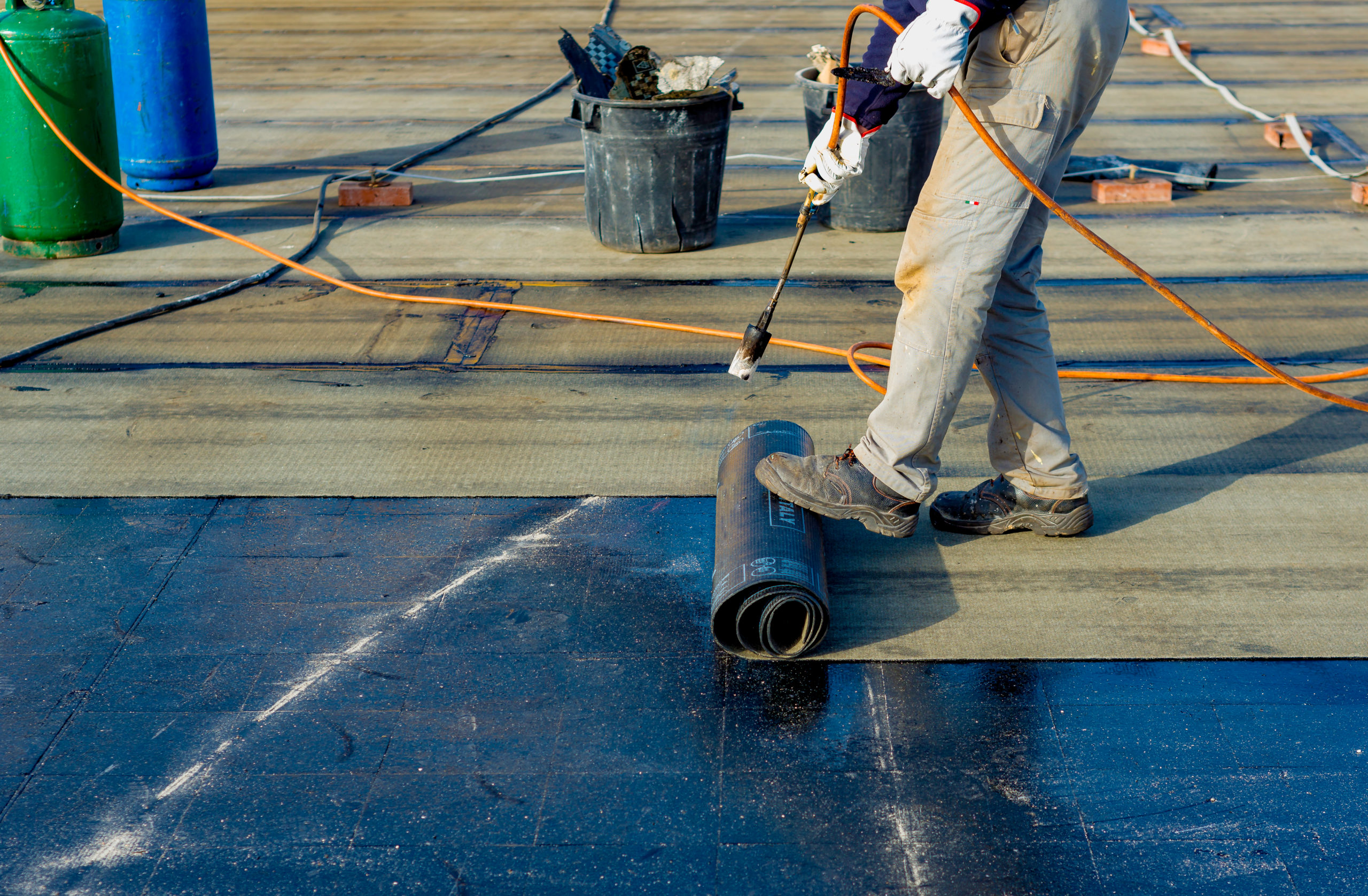
One of the most efficient methods for moisture-proofing is the use of barrier systems, which create a barrier against moisture intrusion. These systems can include specific membranes applied to both interior and exterior surfaces, such as partitions and foundations. By sealing off potential entry points, these barriers prevent water from penetrating the structure, reducing the likelihood of moisture damage substantially. Choosing the appropriate type of membrane for your specific needs is crucial, as different materials offer varying levels of strength and tolerance.
Another vital solution is proper drainage management. Installing a properly designed drainage system around your premises can redirect moisture away from vulnerable areas, such as cellars and foundations. This can include drainage systems, sump pumps, and downspouts that are directed away from the building. Adequate drainage not only minimizes water accumulation but also enhances the longevity of moisture-proofing systems and protects your property from the harmful effects of flooding and dampness.
In addition to protection systems and drainage, the use of waterproof coatings is crucial for enhancing the safeguarding of surfaces prone to water exposure. These coatings can be used on roofs, partitions, and decks to create a waterproof layer that defies moisture and prevents mold development. Selecting the right coating is critical to ensure it withstands environmental conditions, thus prolonging the lifespan of your waterproofing solutions. Scheduled maintenance and inspections are also important to ensure that these defensive measures remain functional over the years.
Cost Consequences of Ignoring Waterproofing
Disregarding waterproofing can lead to considerable financial implications for homeowners and building managers. Water damage can weaken structural integrity, requiring costly repairs or even renovations. A single leak can escalate into extensive damage, affecting walls, floors, and foundations. This not only raises repair costs but can also lead to a decline in property value, making any future transfer more difficult.
In addition to structural repairs, the costs related to mold and mildew removal can add up quickly. Mold flourishes in damp conditions, leading to likely health risks and necessitating professional remediation services. The longer the moisture issue persists, the more extensive the damage becomes, ultimately costing far more than initial waterproofing measures would have.
Additionally, disregarding waterproofing can result in increased energy bills. Damp building materials can lead to greater energy loss, forcing HVAC systems to exert more to maintain comfortable temperatures. By opting for waterproofing solutions upfront, property owners not only save money on repairs but also enjoy ongoing savings on energy costs, enhancing overall building efficiency.